
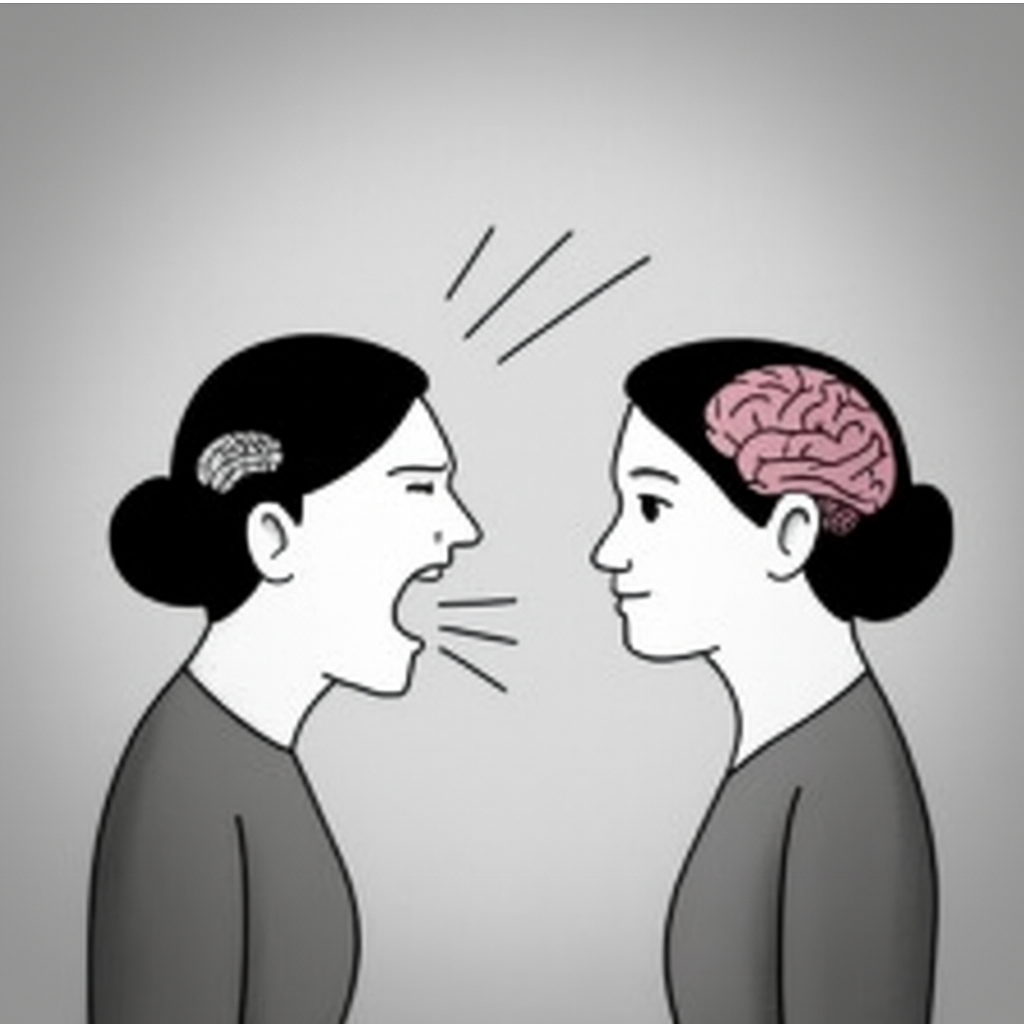
There’s a quiet violence to silence. It cloaks itself in the language of “staying neutral,” “protecting peace,” or “not wanting to get political,” but neutrality in the face of oppression is not peace, it’s complicity. As Nelson Mandela once said, “If you are neutral in situations of injustice, you have chosen the side of the oppressor.”
In an age when we can livestream injustice, when headlines break not just through traditional media but through the raw immediacy of people’s lived experiences, silence is no longer ignorance. It’s a choice. And frankly, it’s embarrassing.
The Digital Stage and the Silence Within
We live in a time when everyone has a platform. Whether you have 200 followers or 200,000, you are part of a digital ecosystem that amplifies culture, shapes perceptions, and moves conversations. Yet, scrolling through feeds today, one can’t help but feel the gaping silence that echoes louder than words.
When children are being bombed in Gaza. When Christians in Northern Nigeria are being killed for their faith. When Sudan is burning, when young girls in South Africa are bullied to the point of death, when women are murdered globally in what can only be called an epidemic of femicide, how can we post outfits, brunches, or travel photos without ever pausing to acknowledge the state of the world?
No one is asking you to become a political analyst or an activist overnight. But what does it say about our humanity if we can’t spare a post, a share, or a few words of solidarity when the world is unraveling around us?
The Year of Global Reckonings
2025 has been a year of relentless reckoning.
Palestine and Gaza continue to bleed under the weight of occupation and war, as innocent civilians bear the cost of geopolitical greed.
In Northern Nigeria, Christians and minority groups face targeted killings that rarely make international headlines.
Sudan’s ongoing humanitarian crisis continues to displace millions, with children dying of hunger and disease in silence.
In South Africa, the haunting story of a bullied student exposed the deeply ingrained inequalities and violence in schools, a mirror held up to a society still wrestling with the legacy of apartheid and inequality.
And then there are the so-called “civilised democracies.” The UK has seen racist marches parading under the disguise of “free speech,” with figures like Nigel Farage and Kemi Badenoch emboldening the most harmful rhetoric. Across the Atlantic, Donald Trump continues to polarise and poison discourse with words that dehumanise and divide.
This is the world we inhabit. And yet, many of us choose the safety of curated silence over the risk of moral clarity.
The Myth of ‘Keeping It Light’
There’s a growing narrative that social media should be an “escape”, a place for joy, fashion, beauty, fragrance, Formula One, travel, and laughter. And yes, we need all of that. Life must be lived in colour, not grayscale. But escapism without awareness breeds ignorance.
You can love Dior, Maison Francis Kurkdjian, and McLaren while also knowing what’s happening in Darfur. You can laugh at memes and still cry at the state of Gaza. Joy and awareness are not mutually exclusive; they are the balance of a fully realised life.
Being informed doesn’t mean being consumed. It means being conscious. It means curating your feed with purpose, following journalists, activists, educators, and voices who are equipped to explain the complexities of our world, even when those truths are uncomfortable.
Curating a Conscientious Feed
If your social media feed only reflects your lifestyle and not your worldview, it’s time to rethink what influence truly means. Influence isn’t about follower counts it’s about integrity.
Repost verified reports from those who are documenting history as it happens. Share thoughtful commentary from those whose analysis is rooted in truth, not trend. Read and cite journalists and publications doing the hard work people on the ground, often risking their safety for the world to know the truth.
If you don’t know where to start, follow human rights organisations, credible media outlets, and community leaders who speak with evidence, empathy, and insight. If you don’t feel confident enough to speak yet learn, listen, and amplify those who do.
The Dissonance of Digital Performance
We cannot continue to post “Happy Women’s Day” while ignoring femicide statistics. We cannot quote Mandela, MLK, or Chimamanda Ngozi Adichie for aesthetics while shying away from the realities they fought against.
Social media has created a generation hyper-aware of image but desensitised to impact. The performative “allyship” of a black square or hashtag is not enough. True awareness requires sustained engagement, reading, sharing, supporting, and voting with consciousness.
When Silence Becomes Dangerous
Silence today doesn’t just reflect apathy it fuels misinformation. The more empty space there is, the louder disinformation grows. When we leave the conversation, we leave it to those who distort it.
And that is the ultimate tragedy of modern discourse: the people with empathy stay quiet, and the people with hate never do.
A Call to Wakefulness
The truth is, we are in a moral crisis disguised as digital convenience. The ease of scrolling past tragedy has numbed our capacity for collective outrage. But outrage righteous, informed, compassionate outrage is what births change.
Mandela reminded us that “our lives begin to end the day we become silent about things that matter.” That silence, in 2025, is a luxury none of us can afford.
So, yes, post your joy. Share your wins, your outfits, your travels, your food. Celebrate beauty. But also honour humanity. Speak when it’s hard. Learn when it’s uncomfortable. Repost when it matters. Use your voice, however small, because history has always been written by those who dared to speak.
Because the real embarrassment isn’t having an opinion.
It’s pretending you don’t need one.
Discover more from Chaud: The Magazine
Subscribe to get the latest posts sent to your email.
 Chaud: The Magazine