
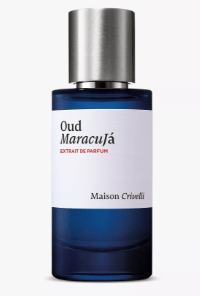
When I first encountered Oud Maracuja by Maison Crivelli, I was struck not only by its unusual passion fruit note: tart, juicy, sensuous but by something deeper, something familiar. In Zimbabwe, where I grew up, we call it granadilla, and it’s a fruit that has graced countless backyard orchards and childhood memories. Its aroma is unmistakable: ripe, bright, sun-soaked, almost wild. In this perfume, its partnership with smoky oud created a collision of worlds ,fruit and resin, joy and mystery. It made me wonder: What is the history of fragrance in my ancestral soil? Before colonisation. Before Europe. What did scent mean to the people of Southern Africa?
This letter is a deeply personal journey into gardens of memory, but also into libraries, oral traditions, archaeological records, and anthropology in search of the untold story of Southern Africa’s fragrant heritage.
Scent and Status: Perfume in the Southern African Kingdoms
Long before European perfumeries filled bottles with oud and maracuja, the kingdoms of Southern Africa such as Great Zimbabwe, Mapungubwe, the Rozvi Empire, and the Zulu, Xhosa, and Tswana chiefdoms had their own aromatic traditions, often tied to status, healing, spiritual practices, and beautification.
1. The Sacred Use of Smoke and Resin
In many Bantu-speaking cultures, burning aromatic woods, herbs, and resins was a widespread ritualistic practice. Fragrance in this context was ephemeral but powerful; a scented medium that connected the living with the ancestors.
• Umsuzwane (Lippia javanica) and Imphepho (Helichrysum species) were (and still are) burned as incense in Southern African spiritual practices, particularly among the Xhosa, Zulu, and Ndebele peoples. Their scent herbaceous, camphorous, calming was believed to cleanse spaces, invoke spirits, and prepare the mind for ancestral communication.
• In Zimbabwe, barks and roots of certain trees such as muchechete and mupfura were boiled or burned for both fragrance and healing. These woods often gave off sweet, balsamic aromas that lingered in kraals and temples.
While not “perfume” in the European sense, these practices formed an indigenous olfactory culture deeply intertwined with religion, medicine, and royalty.
2. Royal Beautification and Botanical Oils
Among royalty, scent was not only spiritual — it was also aesthetic and political. Oral histories of the Rozvi Empire; a powerful kingdom in present-day Zimbabwe that succeeded Great Zimbabwe speak of oiled skin, scented clays, and herbal infusions used by royals to distinguish themselves.
• Women, especially those of high status, applied fragrant oils extracted from marula nuts, baobab seeds, and mafura (Natal mahogany). These oils were sometimes infused with wild herbs, flowers, or barks for both their scent and medicinal value.
• The Shona people of Zimbabwe used chimutsvairo, a kind of fragrant broom made from specific aromatic grasses and leaves, both to clean and perfume spaces.
• Among the Venda and Tsonga, women also used homemade pomades often made from beeswax and herbs to scent the hair and body.
These perfuming practices were deeply connected to ceremony, courtship, and even fertility rituals.
The Fruit and the Flower: Nature’s Aromatics in Daily Life
Just as passion fruit plays a starring role in Oud Maracuja, so too did fruit and flowers in the olfactory lives of pre-colonial Southern Africans.
• Granadilla (passion fruit) may not be indigenous, but other fragrant fruit such as wild figs, sour plums, and sugar bush nectar were not only eaten but also used to sweeten breath or infused in herbal decoctions.
• Fragrant blooms like the plumbago flower, wild jasmine (Jasminum multipartitum), and wild basil were used for both cosmetic and ritualistic purposes , crushed into pastes or used to scent homes and bodies.
In this way, nature was a perfumer, and people were the carriers of her essence.
Trade, Exchange, and Fragrance
Archaeological findings at sites like Mapungubwe (South Africa) and Great Zimbabwe suggest that aromatic goods were traded across long-distance routes as early as the 11th century.
• Artifacts from Mapungubwe include glass beads, ivory, and possibly resins like myrrh, suggesting trade links with Arab, Swahili, and Indian merchants.
• Coastal trade introduced the notion of perfumed luxury goods through contact with the Swahili coast, where Arabic perfumes and Indian attars were prized.
• In fact, it’s plausible that ambergris, oud, or myrrh carried from the east coast up into the interior might have reached Southern Africa’s royal courts in limited quantities, becoming symbols of rare, foreign luxury.
This connection between scent and status is echoed today, centuries later, in the prestige of niche perfumes like Maison Crivelli.
Colonial Disruption and the Displacement of Scent Culture
With the onset of colonisation, many African traditions including those of fragrance and self-anointment were suppressed or reframed as “primitive.”
European colonists imposed new beauty ideals and replaced indigenous aromatic rituals with imported soaps and scents. The gendered use of perfume also shifted; colonial influence pushed Eurocentric norms, often marginalising the complex role that scent had long played in African cosmology, gender expression, and spirituality.
The Return to the Root: Why It Matters Today
As global perfumery expands beyond Eurocentric traditions, there’s a growing call to decolonise fragrance not only by using African ingredients but by honouring African scent philosophies.
In this light, Oud Maracuja feels less like an exotic escape and more like a sensory homecoming. That burst of granadilla is not just a tropical flourish..it’s a portal. A reminder of orchards past. Of women anointing themselves with wildflower oil. Of smoke curling through the sky in sacred rhythm. Of kings perfuming their skin with crushed herbs and warm oils as a form of protection, power, and beauty.
Final Note: Perfume as Ancestral Memory
Scent, more than any other sense, is tied to memory. In Zimbabwe, when the granadilla vines ripen and their aroma perfumes the late afternoon air, it’s more than fruit its family, ritual, land. It is history whispered through skin and soil.
As a perfume enthusiast , this story matters to me not just as heritage, but as evidence of an unbroken lineage of olfactory sophistication. As African perfumery gains global attention, may we continue to uncover and honour the fragrant legacies that bloomed long before colonisation in the gardens of the South.
Fragrance that inspired this piece:
Oud Maracuja by Maison Crivelli
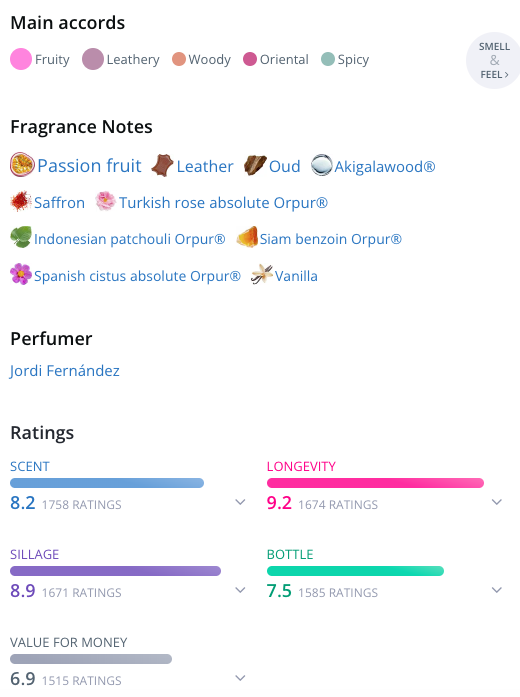
A radiant, juicy fusion of passion fruit and smoky oud a scent that bridges continents and memories.
This post was originally posted and shared on The Olfactory Letters
Discover more from Chaud: The Magazine
Subscribe to get the latest posts sent to your email.

