
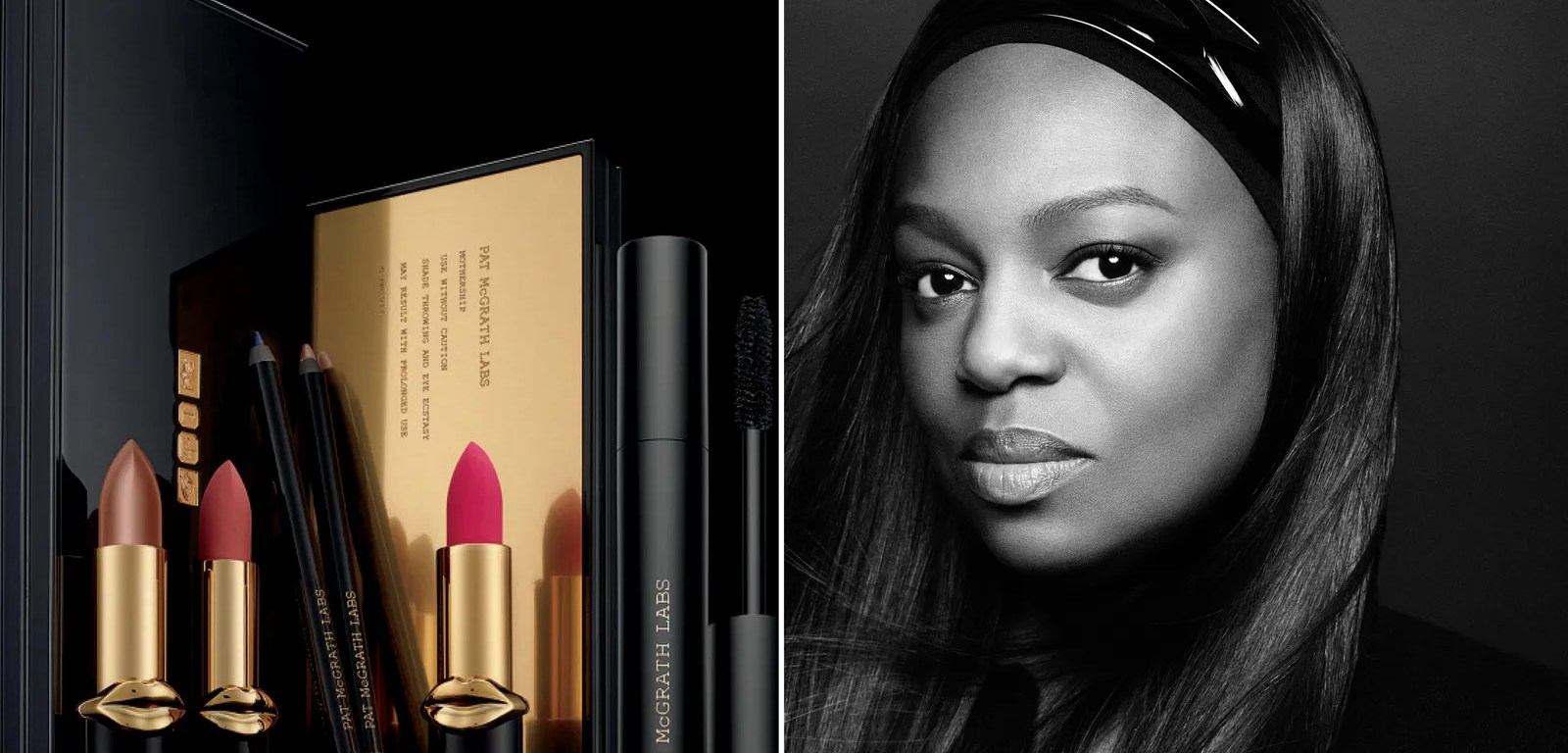
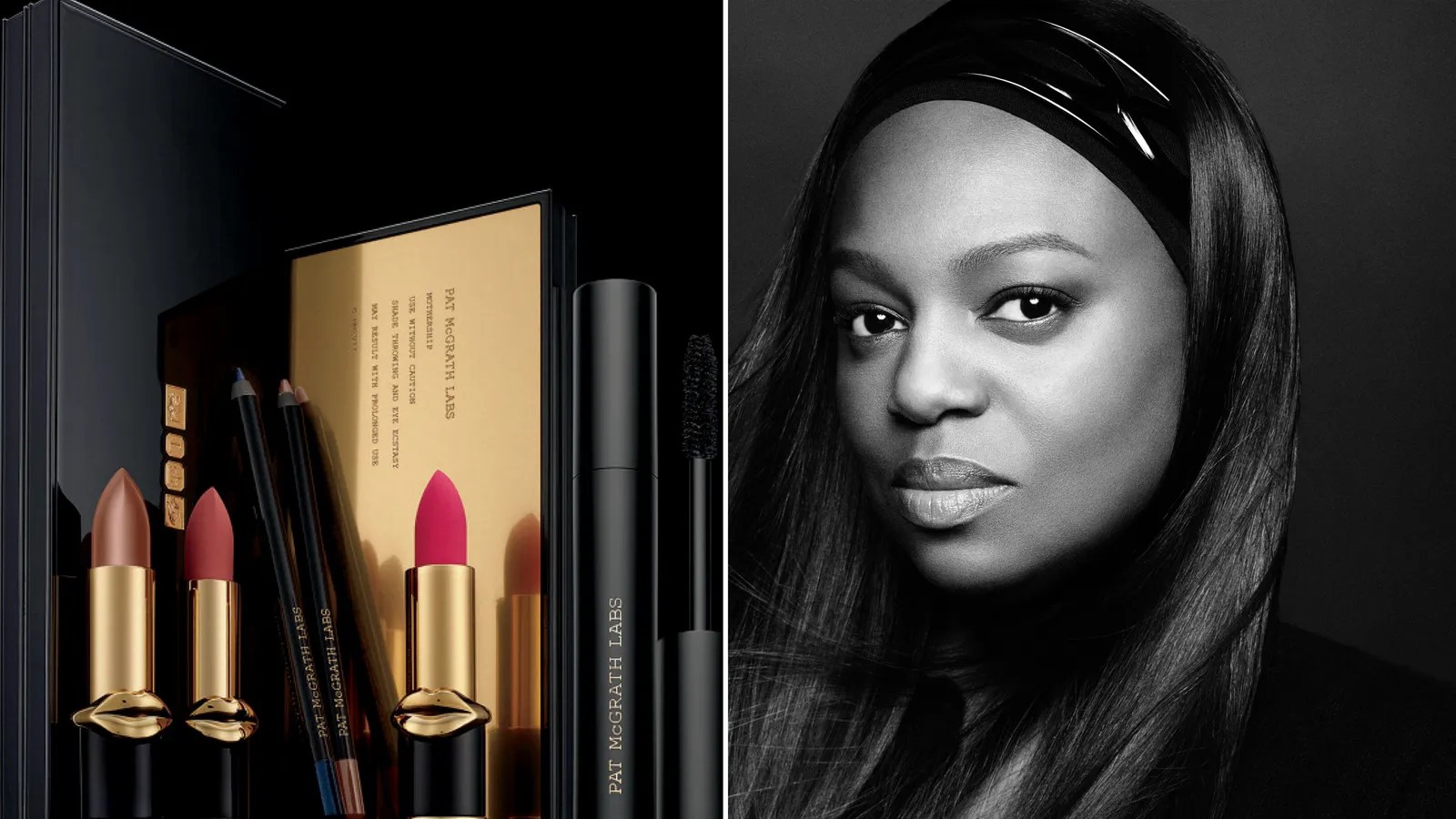
There are moments in an industry when admiration and interrogation sit side by side, not as opposition but as necessity. Pat McGrath is one of the rare figures whose influence does not merely ripple through beauty culture. She defines it. From the runways of Paris to Hollywood’s most scrutinised red carpets, her artistry has reshaped how makeup is imagined, worn and revered. Her products remain among the most technically impressive on the market. That mastery deserves applause.
Yet the recent Chapter 11 filing by Pat McGrath Labs, a restructuring rather than a liquidation, opens space for a broader conversation about accessibility, community, innovation and how beauty brands must now operate in a climate shaped by economic caution and cultural discernment.
The Allure article that sparked much of this debate rightly challenges the double standard so often applied to Black founded luxury brands. There is a recurring implication that Black founders owe affordability in a way their white counterparts rarely do. That framing is unfair and rooted in old assumptions about who is entitled to occupy luxury spaces. Black women are not allergic to prestige. We have always invested in excellence.
Still, restructuring moments are rarely only about perception. They are also strategic inflection points. History tells us that a filing can be a reset rather than a retreat. Brands such as e.l.f. endured similar turbulence earlier in their lifespan and emerged sharper, culturally embedded and commercially agile. In today’s market, survival is not just about product quality. It is about relevance, agility and emotional connection.
This is where Pat McGrath Labs has an opportunity to recalibrate in a way that feels expansive rather than defensive.
Beauty today is driven by proximity. By conversation. By creators who feel embedded in the communities they serve. Collaborations now need to move beyond prestige adjacency and into genuine co creation. McGrath’s artistry on Tyla at the Met Gala was a global beauty moment, yet it passed without a corresponding product release. A limited edition quad inspired by that specific look would have felt both celebratory and commercially astute. It would have translated artistry into something tangible, collectible and culturally immediate.
The same logic applies across the creator economy. There is a vast ecosystem of beauty tastemakers who truly move product and conversation. Names like Olandria, Uche and Esther resonate in digital spaces precisely because they feel trusted rather than distant. Expanding this approach internationally could be transformative. In South Africa, figures such as Mihlali and Grace command enormous influence and cultural authority. Their audiences are sophisticated, aspirational and deeply engaged with luxury beauty. In Australia, South Sudanese women are building vibrant online communities centred on beauty, fashion and diasporic pride. These markets are not peripheral. They are integral to the global Black beauty consumer.
That global lens matters. Black women are buying makeup in London, Lagos, Johannesburg, Accra, Sydney, Toronto and Paris. The internet has collapsed borders and brand loyalty is now forged through recognition. When consumers feel seen, included and spoken to directly, they invest not just financially but emotionally.
Education has also become part of the purchase decision. Creators such as the Lipstick Lesbians exemplify a new mode of beauty discourse that prioritises formulation, utility and value over empty hype. Their recommendations resonate because they treat makeup as something to be interrogated rather than blindly accumulated. This reflects a broader shift. Overconsumption is no longer aspirational. Shoppers are editing rather than hoarding. We want products that earn their place in our beauty rooms. We want fewer launches and better ones. We want innovation that feels purposeful rather than perfunctory.
For founder led brands in particular, visibility is now currency. Danessa Myricks has built enormous goodwill by showing up in TikTok Lives, responding to comments and hosting masterclasses. She makes her process legible. She allows customers into her thinking. That accessibility does not dilute luxury. It strengthens trust. It reframes prestige as expertise rather than distance.
Pat McGrath could lean further into that same openness. Masterclasses streamed globally. Digital conversations with artists across continents. Spotlighting emerging makeup artists in Africa and the diaspora. Making international consumers feel like participants rather than spectators.
What must be firmly rejected is the tired narrative that Black women do not spend or do not support other Black women. The evidence is everywhere that we do. The more accurate truth is that we are discerning. We support excellence when it speaks to us, when it evolves with us and when it respects our intelligence as consumers.
This moment in Pat McGrath Labs’ history does not need to be framed as decline. It can be framed as reinvention. As an opportunity to modernise engagement strategies, diversify collaborations, streamline launches and reconnect with the global community that helped propel the brand to icon status in the first place.
In an era defined by thoughtful consumption, economic realism and cultural accountability, the beauty brands that endure will not be those that rely solely on legacy. They will be the ones that listen, adapt and invite their consumers into the future they are building.
For Pat McGrath, that future still has the potential to be dazzling. But more importantly, it can be inclusive, international and deeply connected to the women who have always understood the power of artistry in a lipstick, a shadow quad and a perfectly drawn line.
Discover more from Chaud: The Magazine
Subscribe to get the latest posts sent to your email.
 Chaud: The Magazine