
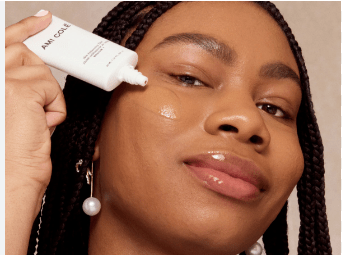

The Fall of Ami Colé: More than a Beauty Brand Closes
In July 2025, the beauty industry received sobering news: Ami Colé, a celebrated Black-founded beauty brand known for its thoughtful formulations for deeper skin tones, would be winding down operations in September. Founder Diarrha N’Diaye-Mbaye built a cult following and secured over $3 million in VC funding for a mission fundamentally rooted in inclusion. Ami Colé’s products were not just makeup they were a revolution, catering to those long neglected by beauty standards, and stocked in major retailers like Sephora.
Yet, even a brand with impressive early momentum, industry accolades, and high-profile investors could not sustain itself amid a harsh economic climate. “After looking at every option, it became clear that continuing in this current market wasn’t sustainable,” N’Diaye-Mbaye wrote, citing tariffs, crippling upfront costs, and systemic market barriers. Ami Colé’s closure isn’t an isolated event: other Black and minority-owned brands are voicing similar warnings as structural headwinds intensify.
The Rollback of DEI: A Backlash in Corporate America
This moment of reckoning comes as US corporations are undergoing a dramatic retreat from diversity, equity, and inclusion (DEI) initiatives. Sparked partly by new legal and political pressures, numerous giants including IBM, Walmart, Amazon, Meta, McDonald’s, Disney, and more are scaling back or quietly scrapping DEI programs. Leaders weigh legal challenges and political backlash, yet the visible effect is a dramatic reduction in the support systems designed to level the playing field for underrepresented founders, creators, and employees. While some firms stress that they remain committed to diversity in principle, the concrete tools and policies that ensured real accountability are fading fast.
Experts warn these cutbacks increase systemic risk: removing DEI policies leaves marginalized employees more vulnerable to discrimination and stalls progress on pay equity, promotions, and culture change. The anti-diversity tide, now empowered by regulatory and political climates, threatens to erase progress attained often only after significant public pressure.
The VC Funding Chasm: Black Women Entrepreneurs at the Margins
Even at DEI’s 2020-2021 peak, the chasm in venture capital (VC) funding for Black female founders remained staggering. In 2021, Black women startup founders received just 0.34% of all US venture capital outlays a microscopic sliver of an already tiny slice to Black founders overall (less than 0.5%). This is in stark contrast to the 13% of the US population that identifies as Black or African American. In the decade spanning 2013-2023, UK data showed Black women founders received just 0.14% of investment.
While 2020’s racial reckoning spurred many pledges including the creation of new VC funds aimed at Black founders the commitment was fleeting. By 2023, VC investment for Black founders collapsed to $661 million of $136 billion (0.48%), the lowest in recent years. Economic headwinds, waning public attention, and endemic bias conspired to reassert business as usual. Black-led funds and founders have faced even greater scrutiny and higher bars for success.
After the Black Squares: From Solidarity to Backpedaling
The summer of 2020 was a watershed. Corporate America, prompted by the murder of George Floyd and the global Black Lives Matter protests, rushed to post black squares on Instagram a gesture of solidarity that was widely criticized as superficial unless accompanied by real change.
Many companies set out ambitious commitments: Sephora pledged to double its Black-owned brands; Nordstrom aimed to drive $500 million in sales from Black and Latinx-owned lines by 2025, with new anti-bias training and representation goals. National organizations received financial support, and brands that took a visible stand were rewarded by increasingly value-driven consumers. Still, critics warned that performance could not substitute for structural reform, and called for active, ongoing accountability.
But as headlines faded and shareholders called for a “return to business,” the fervor rapidly ebbed. Today, as DEI initiatives are under attack, many of the hard-won commitments of 2020 are being quietly shelved or allowed to lapse.
Why This Climate Hurts Us All
The closure of brands like Ami Colé and rollback of DEI do not just represent setbacks for Black and underrepresented founders they represent lost innovation, diversity of thought, and economic potential for society as a whole. When entrepreneurs from diverse backgrounds are excluded, the ecosystem loses the capacity to create products that speak to a wider consumer base, solve overlooked problems, and drive both cultural and economic growth.
Commitment, Hope, and the Road Ahead
Despite these daunting realities, it is more important than ever not to succumb to despair or cynicism. The work to create a genuinely inclusive economy and culture has always been slow, nonlinear, and met with backlash. The highs of 2020, while short-lived, showed what is possible when collective will aligns with resource allocation and market access.
• Black-owned businesses and creatives continue to set trends and inspire.
• Some companies remain resolutely committed to DEI, and consumer demand for real diversity is not waning if anything, millennials and Gen Z expect more accountability.
• Policymakers, philanthropists, and new investor models can help to fill the growing gaps as legacy firms backslide.
Above all, the lesson of Ami Colé is not that the fight for representation or equity is hopeless, but that hollow gestures aren’t enough, and that enduring change requires sustained, systemic commitment from boardrooms, consumers, and governments alike. It is a call to redouble advocacy, support, and innovation so that the next ground-breaking Black-founded brand not only launches, but thrives regardless of trends or political winds.
Staying positive is not naive it’s an act of resistance, vision, and faith that, with collective resolve, the best days for inclusive business and creative enterprise lie ahead.
Discover more from Chaud: The Magazine
Subscribe to get the latest posts sent to your email.
 Chaud: The Magazine