
Introduction
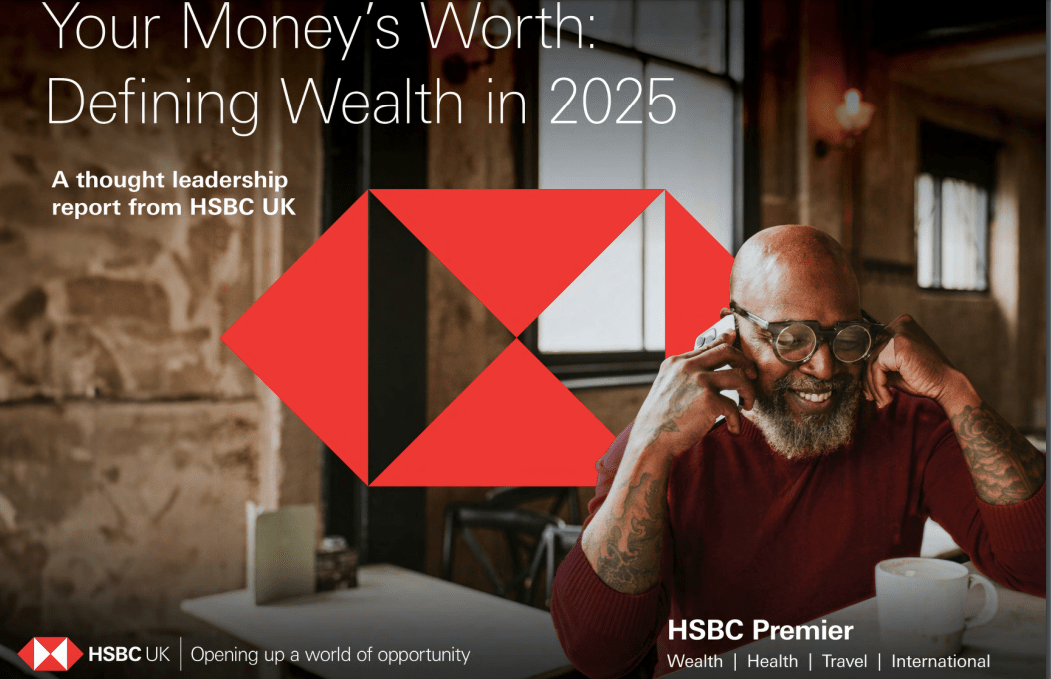
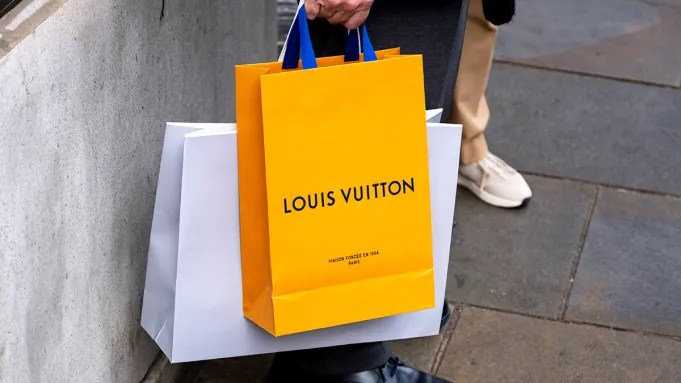
Luxury has long been synonymous with material indulgence, designer handbags, Swiss timepieces, and exclusive fragrances that whisper status with every spritz. But according to HSBC’s latest report on high earners and luxury, the landscape of affluence is shifting. Despite commanding six-figure salaries, many high earners in the UK no longer consider themselves “wealthy,” and their spending habits reflect a more measured, security-focused approach.
We’ve examined this report in depth to decode what it means for the luxury sector, from fine fashion to niche perfumery. The key takeaway? High-income consumers are redefining what it means to be rich and brands that fail to adapt may soon find themselves out of touch.
The Psychological Shift: When Does ˜High Earner Mean Wealthy ?
HSBC’s research found that UK individuals generally believe an annual income of £213,000 qualifies as wealthy, a figure far beyond the national average salary. However, paradoxically, even among those earning £100,000 or more per year, nine out of ten believe true wealth requires an income exceeding £250,000.
Why this disconnect? Rising living costs, stagnating wages, and soaring property prices mean that even substantial incomes don’t necessarily translate to financial security. In different UK regions, the perception of wealth fluctuates drastically:
In Scotland, respondents set the wealth threshold at £330,000.
In the North East, a relatively modest £80,000 is seen as enough.
In Surrey, a county known for its affluent enclaves, individuals estimate that £367,000 post-tax is required to be wealthy.
Clearly, wealth is relative but what’s striking is that even those in top-earning brackets often don’t feel like they’ve made it.
Luxury Spending in Flux: From Objects to Outcomes
Traditionally, affluence was displayed through luxury goods think Hermés Birkins, Patek Philippe watches, or bespoke tailoring from Savile Row. However, HSBC’s report reveals that only 44% of high earners equate wealth with owning luxury items, signalling a fundamental shift in values.
Instead, financial security is becoming the ultimate luxury. High earners are prioritising:
Retirement planning (42%)
Building emergency savings (36%)
Creating generational wealth (25%)
This shift has tangible consequences for luxury brands. Though 39% of high earners still own designer handbags, jewelry, or watches, the days of mindless splurging may be numbered. Consumers are becoming more discerning seeking investment pieces, quality over quantity, and long-term value over fleeting trends.
Generational Differences: What Does Luxury Mean to GenZ?
Generational perspectives are crucial in understanding luxury’s future. HSBC’s findings show that younger high earners particularly GenZ (18-24) are more likely to define wealth in non-material terms. Nearly half (49%) of GenZ high earners see a strong work-life balance as the ultimate marker of affluence, compared to just 35% of those aged 35-44.
For brands, this signals a growing preference for experiential luxury travel, wellness, and bespoke services that offer exclusivity without necessarily being tangible. Expect to see more interest in private luxury retreats, customised skincare, and hyper-personalised fragrance consultations rather than logo-heavy products.
The Luxury Slowdown & What It Means for Brands
These changing attitudes coincide with a broader deceleration in the luxury sector. HSBC’s Cruel Summer report predicts only 2.8% organic growth in luxury goods for 2024, a sharp downgrade from the previously anticipated 5.5% growth.
Several factors contribute to this slowdown:
1. Economic Uncertainty: Key markets like China and the US are experiencing financial instability, which impacts global luxury sales.
2. Shifting Consumer Priorities: As high earners move toward financial security over material indulgence, discretionary spending declines.
3. Brand Performance Disparities: While Hermés and Prada continue to thrive, others like Gucci and Burberry have seen setbacks.
The luxury sector must adapt. Brands that emphasise heritage craftsmanship, personalisation, and long-term value will likely fare better than those relying solely on status-driven appeal.
Fragrance & Beauty: Where Does Luxury Go from Here?
We are particularly interested in how this evolution affects the perfume and beauty industries. Luxury beauty spending remains resilient, but the shift in consumer priorities means niche perfumery and exclusive scent experiences will take center stage.
Key trends to watch:
- Limited-Edition & Bespoke Fragrances: Personalisation will be paramount, from customised fragrance blending to high-end perfume wardrobe curation.
- Sustainability & Ethical Luxury: Consumers will demand transparency, responsible sourcing, and sustainable packaging without compromising on opulence.
- Wellness-Infused Beauty: The intersection of self-care and luxury will drive interest in fragrance therapy, bioactive skincare, and holistic beauty rituals.
Brands that understand luxury as a sensory, immersive experience rather than merely an expensive product will thrive in this new era.
Final Thoughts: The Future of Wealth & Luxury
HSBC’s report underscores a crucial reality: luxury is no longer just about what you own it’s about what you experience and how financially secure you feel. The high earners of today arena just investing in handbags or timepieces; they’re investing in their futures.
For luxury brands across fashion, fragrance, and lifestyle, adaptability is key. The most successful companies will be those that align with this evolving definition of wealth offering not just products but lasting value, meaningful experiences, and a sense of exclusivity that extends beyond materialism.
Luxury, in 2025 and beyond, is about intention, personalisation, and intelligent indulgence and that’s a shift worth paying attention to.
Sources & Further Reading:
How Luxury Stocks Lost Their Shine. These Are the Ones That Will Get It Back.
How Much Money Makes You Wealthy?
HSBC Cuts Second-Half Luxury Goods Forecast
Discover more from Chaud: The Magazine
Subscribe to get the latest posts sent to your email.
 Chaud: The Magazine