

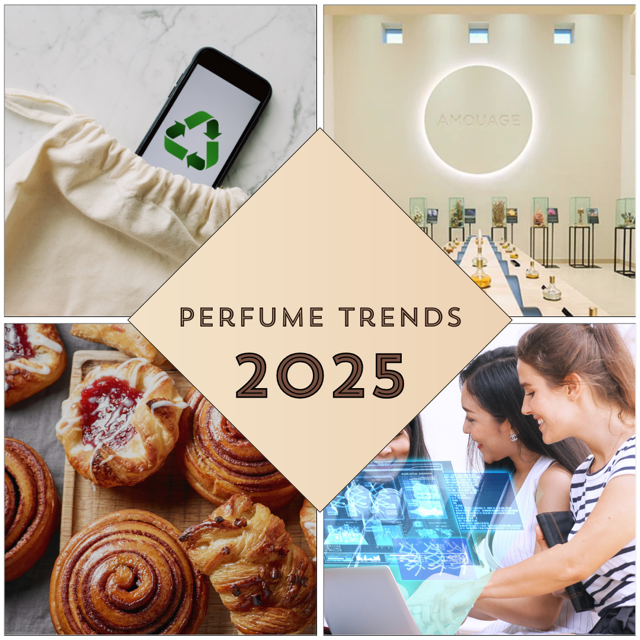
The perfume industry is poised for an exciting evolution in 2025, with a distinct shift toward sustainability, personalisation, and innovative technological advancements. The trends shaping the fragrance landscape promise to meet the growing demand for eco-conscious, individualised, and tech-integrated experiences. Here’s a detailed look at the key trends, notes, and consumer behaviours expected to dominate the fragrance market:
1. Sustainability and Eco-Friendly Fragrances
Sustainability remains at the forefront of the fragrance industry. As consumers become more environmentally conscious, brands are turning to biodegradable ingredients, sustainable sourcing, and upcycled materials to create eco-friendly perfumes. Fragrance houses are also revisiting packaging, opting for recyclable or refillable bottles to reduce waste. Leading companies, such as Chanel and Diptyque, are increasingly using renewable ingredients, such as plant-based alcohols, and are prioritizing transparency in their supply chains. Additionally, gifting options are becoming more sustainable, with many brands offering refillable fragrance options .
2. AI-Driven Personalized Perfumes
The use of Artificial Intelligence (AI) to create bespoke fragrances is expected to expand dramatically in 2025. Through AI, consumers can receive personalised scent recommendations that align with their preferences and body chemistry. Brands like Scentbird and Chrono Perfume are already utilising this technology to help customers discover fragrances tailored to their unique needs. AI not only allows for highly customised scents but also improves the precision of scent creation, analysing consumer feedback and preferences to evolve fragrances in real time . As the technology matures, expect to see brands offering more refined, individually crafted perfumes based on a combination of personal data and AI predictions.
3. Mood-Enhancing Fragrances: The Rise of Aromachology
Perfume is no longer only about creating a beautiful scent; it’s also about enhancing mental and emotional well-being. The integration of aromachology, or the science of how scents affect moods and emotions, is driving the development of fragrances designed to influence specific psychological states. These perfumes may be marketed to help reduce stress, increase productivity, or uplift the spirit. Diptyque and Tom Ford have been pioneers in this space, developing perfumes with mood-enhancing properties by incorporating ingredients like citrus, lavender, and sandalwood, known for their calming effects . The industry is likely to see further expansion in this category, with perfumes that aim to align with personal wellness goals.
4. Unisex and Gender-Neutral Fragrances
Unisex and gender-neutral fragrances will continue their rise in 2025, reflecting broader shifts toward inclusivity and individual expression. Rather than focusing on traditional gendered categories like “men’s” and “women’s” fragrances, more brands are embracing scents that appeal to a wider range of consumers. Le Labo, Byredo, and Tom Ford are at the forefront of this trend, offering scents that transcend gender, allowing individuals to choose fragrances based on personal preference rather than societal expectations. This trend is further fueled by consumers’ demand for authenticity and a rejection of rigid gender norms .
5. Biotech and Lab-Grown Ingredients
As the fragrance industry becomes more conscious of ethical sourcing, the use of lab-grown ingredients is gaining momentum. These biotech fragrances replicate rare or endangered natural scents without the ethical concerns associated with animal-derived or over-harvested materials. Lab-grown alternatives allow brands to produce fragrances with the same richness and depth as traditional ingredients, but with a much smaller environmental footprint. Givaudan, one of the largest fragrance companies globally, is heavily investing in biotechnology to create sustainable, cruelty-free ingredients . Expect to see more companies adopting these advanced methods to meet the growing consumer demand for responsible luxury.
6. Timeless vs. Trendy: A Shift Toward Classic Scents
In 2025, we are likely to witness a movement away from fleeting seasonal trends and toward timeless, classic fragrances. Consumers are increasingly seeking scents that offer long-term value and can be worn year-round, reflecting the rise of “investment perfumes.” Rich florals, sophisticated woodsy notes, and complex citrus blends are expected to dominate, with brands focusing on crafting fragrances that remain relevant across different occasions. Creed, Maison Francis Kurkdjian, and Amouage are known for offering fragrances that have both an enduring appeal and the ability to evoke luxury . The emphasis is shifting to sophisticated, multi-layered scents that are less about momentary trends and more about establishing a signature.
7. Digital Fragrance Experiences
With the integration of digital technology in various sectors, the perfume industry is no exception. In 2025, the intersection of virtual reality (VR) and fragrance is likely to become more common, as brands begin experimenting with scent experiences in virtual worlds. Some companies are already exploring wearable fragrance devices, which emit personalized scents throughout the day, synced with a user’s activity or mood. This trend also includes the development of digital scent technology, where consumers can experience perfume samples in virtual environments, enhancing the online shopping experience . These innovations will likely transform how consumers interact with fragrances, offering a more immersive and dynamic shopping experience.
8. New Perfume Notes to Watch in 2025
Expect to see a mix of both bold, experimental notes and refined, classic ingredients making waves in 2025. Spices, amber, and leather are likely to remain prominent in the luxury segment, offering warmth and sophistication. However, there is also a noticeable shift toward fresh and clean notes, such as sea salt, aquatic florals, and green accords, which evoke clarity and balance. Gourmand fragrances those with edible or sweet characteristics like vanilla, almond, and caramel will also continue to gain traction, reflecting the desire for comforting, nostalgic scents .
Consumer Behavior Insights
In 2025, consumers are becoming more discerning and sophisticated, seeking greater personalisation and experiences in their fragrance purchases. Younger consumers, in particular, are gravitating toward brands that reflect their values, whether sustainability, inclusivity, or innovation. Subscription models, where consumers receive curated scent selections monthly, are also on the rise, offering a convenient way for fragrance enthusiasts to explore new and niche brands. This shift reflects a broader cultural desire for unique, individualised luxury, as well as greater transparency in the products people buy .
Conclusion
The perfume industry in 2025 is on the cusp of significant change, driven by technological advancements, sustainability, and a desire for more personal, meaningful experiences. Whether through AI-driven customisation, eco-conscious formulations, or digital scent innovations, the future of fragrance is poised to be more inclusive, sophisticated, and sustainable than ever before. For consumers, this means an exciting new world of possibilities, where scents are not just products but extensions of identity and lifestyle.
Discover more from Chaud: The Magazine
Subscribe to get the latest posts sent to your email.
 Chaud: The Magazine
2 thoughts on “Fragrance Trends for 2025”