
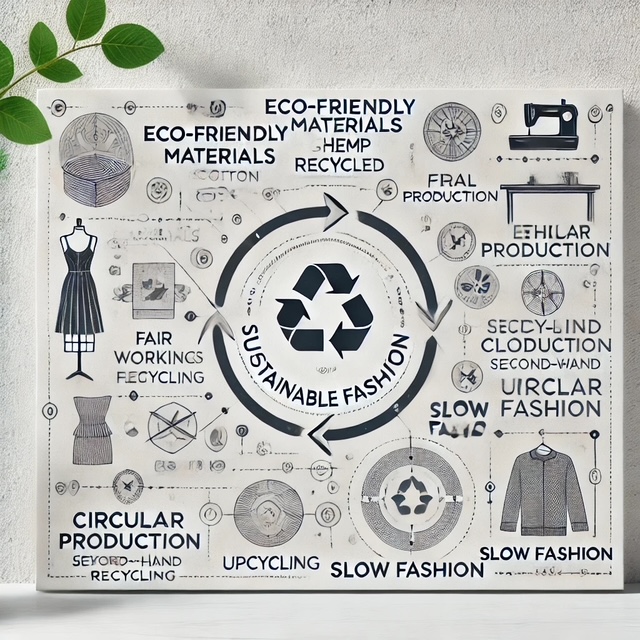

In today’s fashion world, “sustainability” has become a buzzword; a rallying cry for designers, brands, and consumers alike. As climate change awareness grows and ethical consumerism takes centre stage, the industry is undergoing a shift towards more responsible practices. Sustainable fashion promises a solution to the environmental and ethical challenges that plague the fast fashion industry. But at its core, does the concept of “sustainable fashion” contradict the nature of fashion trends themselves? Can fashion, which thrives on constant change, ever truly be sustainable? This inherent contradiction raises important questions about the viability of sustainable fashion in a trend-driven world.
The Nature of Fashion Trends
Fashion trends are, by design, ephemeral. Each season introduces a fresh wave of “must-have” items, dictating what’s in and out. This cycle; spring/summer, fall/winter, and now micro-seasons creates an insatiable appetite for newness, driving consumers to constantly update their wardrobes. Fashion’s allure is built on reinvention and novelty, with new trends stimulating demand and generating revenue for brands. However, this constant churn fuels a culture of disposability, where items quickly become outdated, and consumers move on to the next big thing.
The rise of fast fashion, where garments are produced rapidly and at low cost to keep pace with ever-changing trends exacerbates this problem. Clothes are manufactured cheaply, worn for a short period, and discarded. This model leads to excessive waste, pollution, and unethical labor practices, making fashion one of the world’s most polluting industries.
The Sustainable Fashion Movement
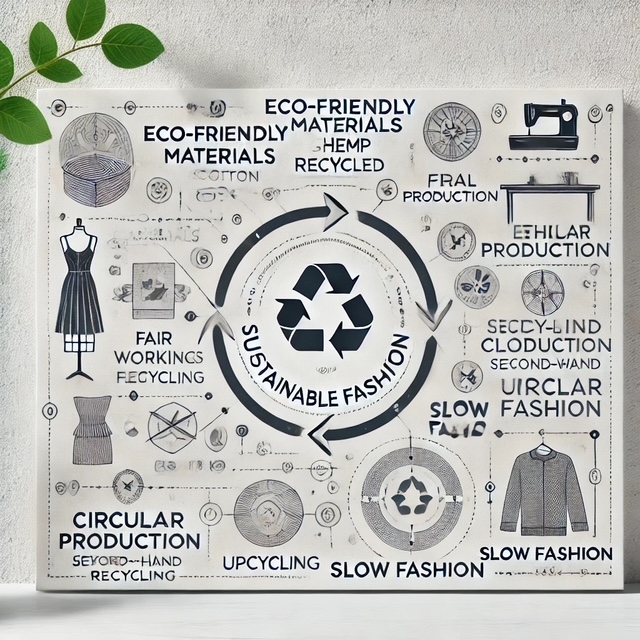
In contrast, sustainable fashion seeks to upend this system by promoting longevity, environmental stewardship, and ethical production. The principles behind sustainability include using eco-friendly materials, reducing waste, adopting circular production methods, and ensuring fair wages for workers. Brands and designers committed to sustainability often emphasise the quality and durability of their products, encouraging consumers to invest in timeless pieces that can be worn for years rather than months.
The goal of sustainable fashion is to minimise harm to the planet and the people involved in making clothes. Organic fabrics, recycled materials, and up-cycled garments are becoming more common, while slow fashion advocates urge shoppers to buy less but buy better. The push for transparency in supply chains is also growing, with more consumers demanding to know where and how their clothing is made.
The Oxymoron of Sustainable Trends
The crux of the problem, however, lies in the juxtaposition of sustainability with trends. Fashion thrives on innovation, creating desire for the latest “it” items, colours, and silhouettes. Sustainable fashion, by contrast, champions slowing down and making more thoughtful, long-term choices. In a world where trends are fleeting and often frivolous, how can sustainability which calls for durability and timelessness coexist with a culture that thrives on rapid change?
At the heart of the oxymoron is the tension between consumption and conservation. Sustainable fashion asks consumers to be more mindful, to purchase clothing that lasts, and to resist the impulse to follow every new trend. But for many, fashion is not just about necessity, it’s a form of self-expression, a way to keep up with cultural shifts and personal identity. People want to feel current and stylish, and trends provide a pathway to that feeling.
To complicate matters further, some brands market sustainable fashion items as the latest trend, turning eco-friendly fashion into a short-term fad rather than a long-term commitment. When sustainability becomes a trend, it risks being treated with the same disposability as fast fashion itself.
Navigating the Paradox
Despite the contradictions, the growing interest in sustainable fashion signals a cultural shift that could balance these opposing forces. Many consumers are starting to value longevity over novelty, recognizing that true style transcends trends. Capsule wardrobes, secondhand shopping, and clothing rental services are gaining traction as alternatives to the relentless buying cycle, allowing people to express their style without contributing to waste.
Brands can play a critical role in bridging this divide. Designers can innovate by offering pieces that are both fashion-forward and sustainable, using materials and production processes that reduce environmental impact. Collaborations between high-end designers and sustainable brands could also help elevate eco-conscious fashion into the mainstream. The rise of slow fashion influencers, who advocate for thoughtful, trend-resistant wardrobes, offers further hope that style doesn’t have to be sacrificed for sustainability.
In addition, technological advancements in materials science are making it easier to create eco-friendly fabrics that are durable and stylish. From lab-grown leather to biodegradable textiles, the future of fashion innovation is evolving towards a more sustainable model, one that might eventually blur the lines between style and ethics.
Redefining Fashion for the Future
Ultimately, the fashion industry and its consumers need to rethink the role of trends in a world facing environmental crises. Perhaps the answer lies in redefining what a “trend” is shifting the focus from short-lived, mass-produced items to long-lasting pieces that can evolve with personal style over time. A sustainable wardrobe doesn’t have to mean sacrificing creativity or self-expression; it can mean investing in clothing that tells a story, holds sentimental value, and adapts to changing aesthetics.
While it may seem paradoxical, sustainable fashion and trends can coexist if we redefine what it means to be fashionable. The true challenge lies in breaking the psychological link between fashion’s allure and constant consumption. As we move forward, the future of fashion must be one where style is celebrated, but not at the cost of the planet.
In conclusion, the tension between sustainable fashion and trends is undeniable, but it is not an unsolvable problem. By adopting a more thoughtful approach to style, where timelessness and environmental responsibility are the true markers of what’s “in,” we can reshape the industry for the better. The goal is not to eradicate trends but to create a fashion ecosystem where sustainability is always in style.
To shop at some of our top favourite sustainable fashion brands: Reformation , Sezane, Mulberry, Sandro
Discover more from Chaud: The Magazine
Subscribe to get the latest posts sent to your email.
 Chaud: The Magazine
One thought on “Sustainable Fashion and the Trends Oxymoron: Navigating the Conflict Between Style and Sustainability”