
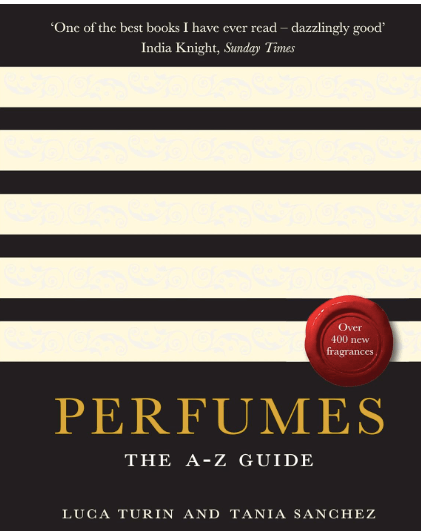
If you’ve ever found yourself entranced by the poetry of a fragrance or longing to decode the magic swirling from a favourite bottle, Perfumes: The A-Z Guide is essential reading. Written by Luca Turin, a biophysicist known for his groundbreaking work in the science of smell, and Tania Sanchez, a perceptive and witty perfume lover, Perfumes: The A-Z Guide brings both the art and science of fragrance into focus in ways that are equal parts informative, whimsical, and, at times, biting.
With over 1,200 reviews of perfumes, spanning high-end niche fragrances, department store classics, and some eyebrow-raising mass-market curiosities, this book is nothing short of a masterpiece for anyone with even a passing interest in perfume. But don’t let the highbrow sound of a “guide” fool you. Perfumes is as much an enjoyable coffee-table read as it is an authoritative manual.
The Structure and What to Expect
The book is divided into three main sections: an introductory essay about fragrance, the actual A-Z reviews, and then appendices filled with additional goodies.
The Opening Essays
Turin and Sanchez begin with thought-provoking, sometimes technical essays that lay out their perspectives on scent. They cover everything from the science behind olfaction (Turin’s research on vibrational theory is particularly fascinating) to more accessible sections on perfume families, trends, and the sometimes bewildering language of fragrance notes. Their reflections serve as a crash course on fragrance philosophy, an invitation to appreciate scent not only as a commercial product but as an art form that mingles chemistry and creativity.
For those new to fragrance, the introductory essays are illuminating without feeling pedantic. And for experienced readers, the deeper dive into the science of scent (especially Turin’s vibrational theory of olfaction) and the art of perfume criticism adds fresh insights, making this an exceptionally layered read.
The A-Z Reviews
The heart of the book is, of course, the reviews. Arranged alphabetically, the entries span an incredible range, from iconic perfumes like Chanel No. 5 and Shalimar to less well-known niche offerings and surprising hidden gems. Each fragrance is rated on a five-star scale, with descriptions that are at once scathingly honest, evocative, and deeply humorous.
Sanchez and Turin hold nothing back, and it’s this candor that makes the book such a joy to read. They describe scents not only by their notes but by the sensations, colors, and even emotional landscapes they evoke. You’ll come across descriptions that liken perfumes to “summer mornings in the country” or “the smell of an empty ballroom.” Carnal Flower by Frederic Malle, for instance, is described as a “high-voltage tuberose” that explodes with energy, while Angel by Thierry Mugler gets the tongue-in-cheek comparison to a “Disney villainess,” all dark and sugary seduction.
Turin’s scientific precision and Sanchez’s flair for language create a perfect blend. Turin’s critiques come through as incisive and often analytical, while Sanchez has a lush, poetic style that speaks more to the feelings and memories scents can evoke. Together, they have the unique ability to make you feel a fragrance through words alone.
A Few Memorable Highlights
Some reviews stand out as particularly memorable, and readers might find themselves returning to these passages time and again. Their entry on Chanel No. 5, for example, strips away the mystique of this iconic fragrance, acknowledging its timeless elegance while also admitting it isn’t for everyone,a take that we personally agree on as our own view is that Chanel No. 5 smells like disappointment and boredom. Then there’s Youth Dew by Estée Lauder, which they describe as a “big, brassy, loud” scent that defies convention. It’s a perfume you might expect to be worn by “a person who knows her own mind,” one who wants her fragrance to arrive in the room before she does. On the other hand, they extol the beauty of L’Heure Bleue by Guerlain as the “saddest perfume ever made,” capturing a twilight melancholy that seems almost otherworldly.
One of the best parts of the book is the way they unearth the scents that might otherwise go unnoticed. They heap praise on lesser-known brands and indie perfumers who create truly artistic scents, encouraging readers to explore outside mainstream fragrances.
The Language of Scent: Humor, Metaphor, and Emotion
What elevates Perfumes: The A-Z Guide from a mere guide to a literary experience is the authors’ language. Turin and Sanchez have a gift for transforming abstract scents into concrete metaphors that linger long after you’ve put the book down. Their humor is dry, at times caustic, but always delightful. Descriptions like “shampoo gone berserk” or a “bonfire of marshmallows” turn fragrance notes into scenes you can almost smell, adding vibrancy to even the most mundane scents.
Their brutal honesty also makes this book endlessly entertaining. When they dislike a fragrance, they are unreservedly harsh, but never without wit. If a perfume smells like “sweaty plastic flowers” or is “intensely dreary,” they will say so. And this honesty has another effect: when they do find a fragrance worth loving, it feels like a true discovery, a scent worthy of our admiration and even our attachment.
Who This Book Is For
Perfumes: The A-Z Guide is both a reference manual and a narrative, a treatise on aesthetics as well as a treasure trove of scent. It’s perfect for anyone with an appreciation for fragrance, but especially for those who revel in language and want to understand perfume beyond the marketing gloss. Beauty enthusiasts, perfume lovers, and even those new to fragrance will all find something to love. For beauty editors, it’s an invaluable resource, the kind of book you’ll find yourself quoting and referring back to when describing scents or advising readers on perfume selection.
The Final Verdict
Luca Turin and Tania Sanchez have created what might be the definitive fragrance guide, but they’ve done so with flair, style, and candor. This is a book that pulls no punches, celebrates the best, and mercilessly skewers the worst. It’s a celebration of perfume in all its complexity, a reference guide, a work of art, and even a bit of a romance. Whether you’re a die-hard perfume lover or someone simply curious about what all the fuss is about, Perfumes: The A-Z Guide deserves a place on your shelf. Read it, revisit it, and, perhaps most importantly, let it inspire your next scent purchase or maybe a few.
Discover more from Chaud: The Magazine
Subscribe to get the latest posts sent to your email.
 Chaud: The Magazine